


What Are the Active Ingredients in Cough Syrup?
- There are two different types of coughs associated with the common cold, dry and wet coughs. Knowing which one you’re struggling with can help you determine whether you need cough treatment with guaifenesin or dextromethorphan.1
- Most over-the-counter cough syrups like Robitussin work by using an expectorant, like guaifenesin, to thin mucus, and an antitussive (cough suppressant), like dextromethorphan, to suppress the cough reflex.2,3
- Many Robitussin products contain guaifenesin and dextromethorphan to help treat both wet and dry coughs associated with the common cold.

The main active ingredients in many Robitussin cough syrups are dextromethorphan and guaifenesin, but they treat different symptoms associated with wet and dry coughs associated with the common cold or flu.
Know Your Cough: Dry Vs. Wet Cough
If you find yourself suffering from a nasty cough, it’s important to understand what type of cough you’re dealing with, so you know which cough medicine is the best course of treatment.
Dry Cough
A dry cough often occurs with an upper respiratory tract infection, such as a cold or flu.1 It may feel like a tickle in your throat and usually doesn’t involve coughing up mucus.1 They can be challenging to manage as they tend to occur when there is irritation or inflammation in the respiratory tract.1 This inflammation may even be caused by a wet cough due to a common cold, and may linger for several weeks.1
A dry, hacking cough can also be an early sign of a lower respiratory infection in the trachea, bronchi and/or lungs.1 In either situation, this type of cough can become worse at night or if you’re exposed to extremely dry air or irritants such as dust, pollen or smoke.1
A dry cough can persist for a while after recovering from the cold or flu.1
Wet Cough
A wet cough usually occurs when fluid secretions and mucus build up in the lower respiratory tract due to an infection, such as a cold or the flu.1 Your body’s natural reaction to remove these fluids from your windpipe and lungs is to cough.1
A wet cough is commonly accompanied by other symptoms of the common cold like:1
- Runny nose
- Postnasal drip (mucus that drips from your nose into your throat)
These additional symptoms often contribute to the body’s need to remove fluids from the respiratory tract.1
How Does Cough Syrup Work?
Cough syrups are primarily made of two types of medicines that work to treat different coughs: expectorants and cough suppressants (antitussives).
Cough Suppressants (Antitussives)
Cough suppressants, also known as antitussives, help reduce the body’s urge to cough by inhibiting the cough reflex.2 The cough suppressant used in OTC cough syrups is dextromethorphan.2
Expectorants
Expectorants are a type of medicine that helps thin mucus, also known as phlegm.3 This helps make it easier to cough up and remove the mucus from your respiratory tract, making coughing more productive.3 The most common expectorant in cough syrup is guaifenesin.
What Is Dextromethorphan, and What Is It Used For?
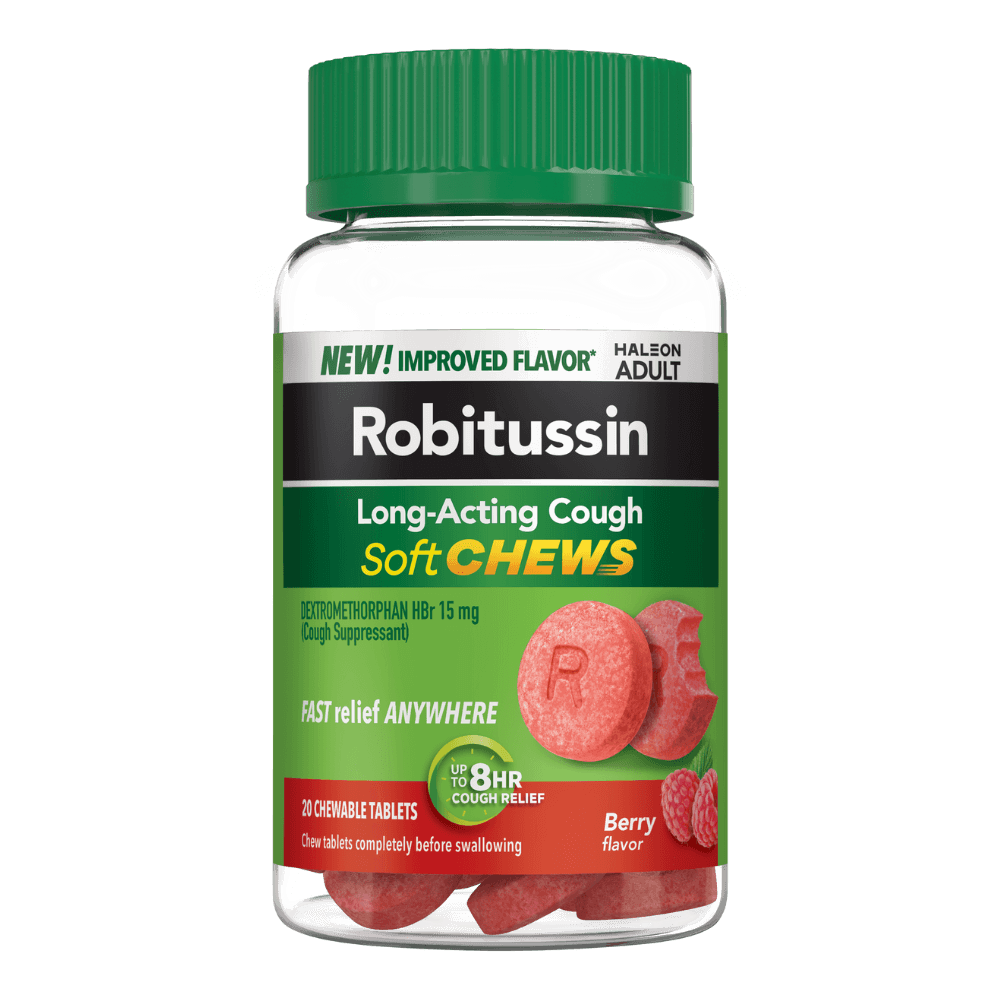
Dextromethorphan HBr (Hydrobromide) is a cough suppressant that is particularly effective as a dry cough medicine.4 Dextromethorphan, or DXM for short, is an ingredient that works in the brain and central nervous system to target signals that trigger the cough reflex and ultimately help reduce the urge to cough.4
What Is Guaifenesin, and What Is It Used For?
Guaifenesin is an expectorant, an ingredient that helps thin and loosen the excess phlegm in your air passageways, which can help cough up secretions to allow for easier breathing.5 The more secretions you can cough up and purge from your respiratory tract, the less congested you will be. Guaifenesin would be your go-to ingredient when battling a wet cough.5
How Robitussin Can Help Wet and Dry Coughs
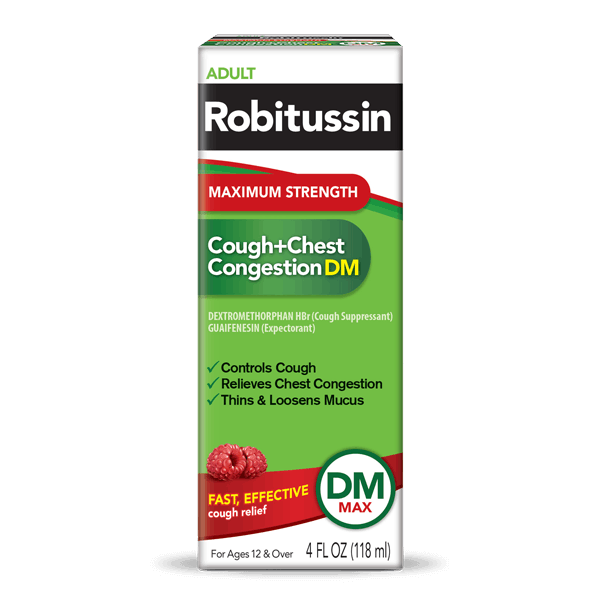
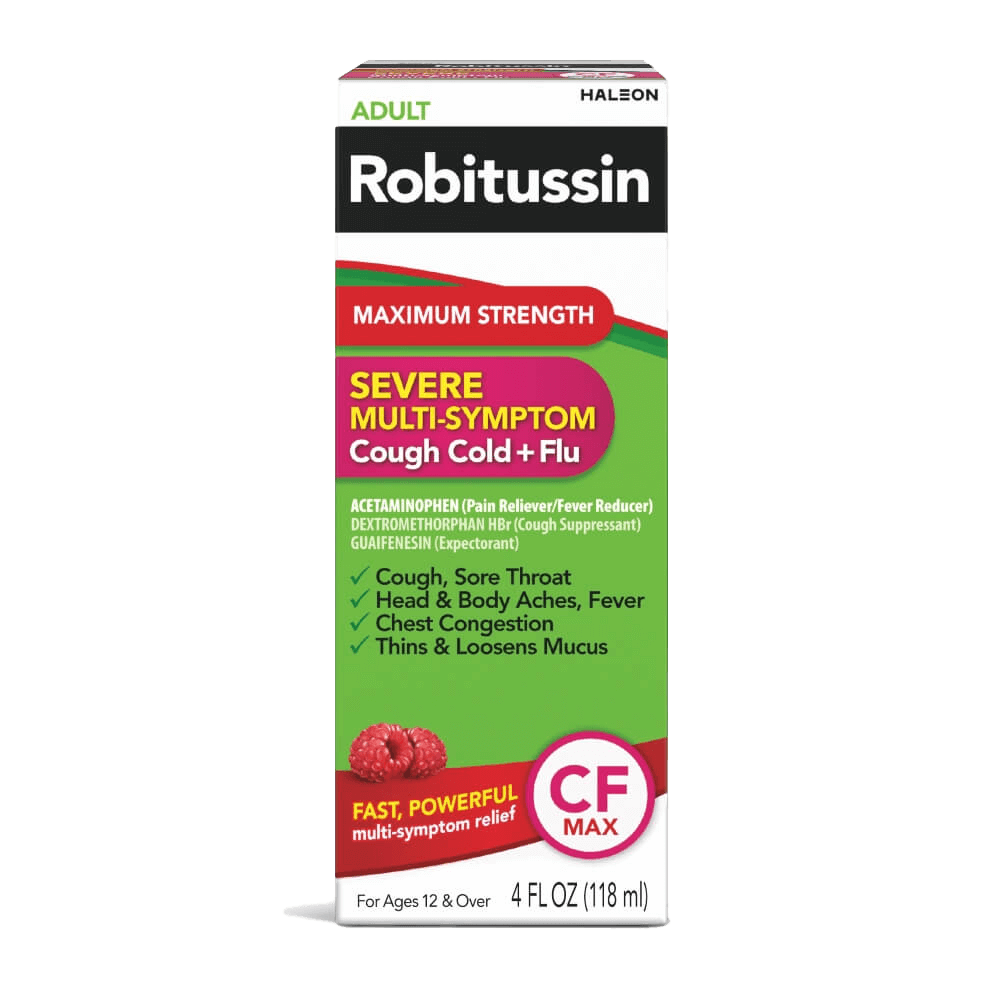
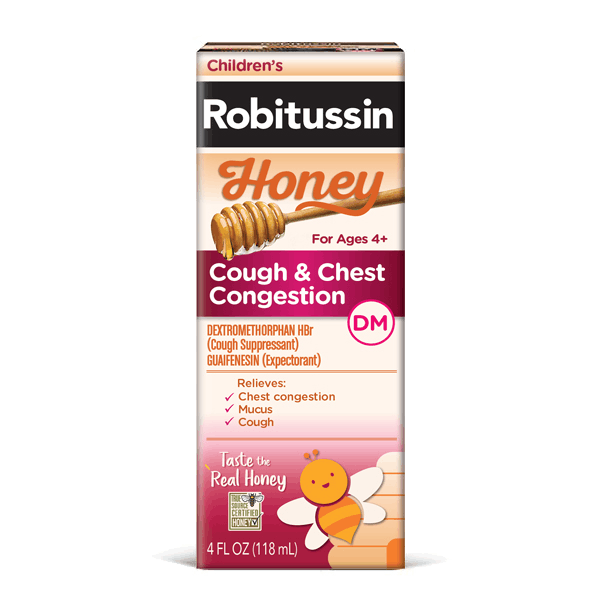
Robitussin Cough and Congestion products contain both dextromethorphan and guaifenesin to help treat both wet and dry coughs. Dextromethorphan helps suppress your cough while guaifenesin works as an expectorant to help clear your chest congestion and help drain your airways. Explore all of our products and see which is best for you.
Frequently Asked Questions
What are the main active ingredients in cough syrup?
Many cough syrups contain dextromethorphan, a cough suppressant, and guaifenesin, an expectorant. These ingredients work differently to help manage dry and wet cough symptoms.
What is the difference between dextromethorphan and guaifenesin?
Dextromethorphan helps reduce the urge to cough by suppressing the cough reflex, while guaifenesin helps thin and loosen mucus so it can be cleared more easily from the airways.
Which ingredient is best for a dry cough?
Dextromethorphan is commonly used for dry coughs because it helps suppress coughing caused by throat irritation or respiratory tract inflammation.
Which ingredient is best for a wet cough with mucus?
Guaifenesin is commonly used for wet coughs because it helps thin and loosen mucus, making coughs more productive and helping clear chest congestion.
How do I know if I have a dry cough or a wet cough?
A dry cough typically does not produce mucus and may feel like a tickle in the throat. A wet cough produces mucus or phlegm and is often accompanied by symptoms such as a runny nose or postnasal drip.
Can one cough medicine treat both wet and dry coughs?
Some cough medicines, like Robitussin Maximum Strength Cough and Chest Congestion DM contain both a cough suppressant and an expectorant. These combination products can help reduce coughing while also helping loosen and clear mucus.
How do I choose the right cough medicine?
Start by identifying whether your cough is dry or wet. Dry coughs are often treated with a cough suppressant such as dextromethorphan, while wet coughs may benefit from an expectorant such as guaifenesin. Some products combine both ingredients to address multiple symptoms.
Source Citations:
- Types of Coughs: Causes, Symptoms and When It’s Serious. Healthline. https://www.healthline.com/health/types-of-coughs/. Accessed 03/21/2026.
- Antitussives – an overview. ScienceDirect. https://www.sciencedirect.com/topics/neuroscience/antitussives. Accessed 03/21/2026.
- Expectorant. Cleveland Clinic. https://my.clevelandclinic.org/health/drugs/22078-expectorant. Accessed 03/21/2026.
- Dextromethorphan. MedlinePlus. https://medlineplus.gov/druginfo/meds/a682492.html. Accessed 03/21/2026.
- Guaifenesin. MedlinePlus. https://medlineplus.gov/druginfo/meds/a682494.html. Accessed 03/21/2026.


